October 2, 2026
Understanding the basics of air conditioning repair and maintenance not only saves money but also enhances the comfort of indoor environments. Considering that, according to Forbes, around 90% of American homes use air conditioning, it is crucial to dispel myths to prevent widespread misinterpretations from affecting the majority of the population. Let's address and clarify some of the most common misconceptions surrounding air conditioning repair.
Misconception 1: Air Conditioners Only Need Repairs When They Stop Working
The Importance of Regular Maintenance
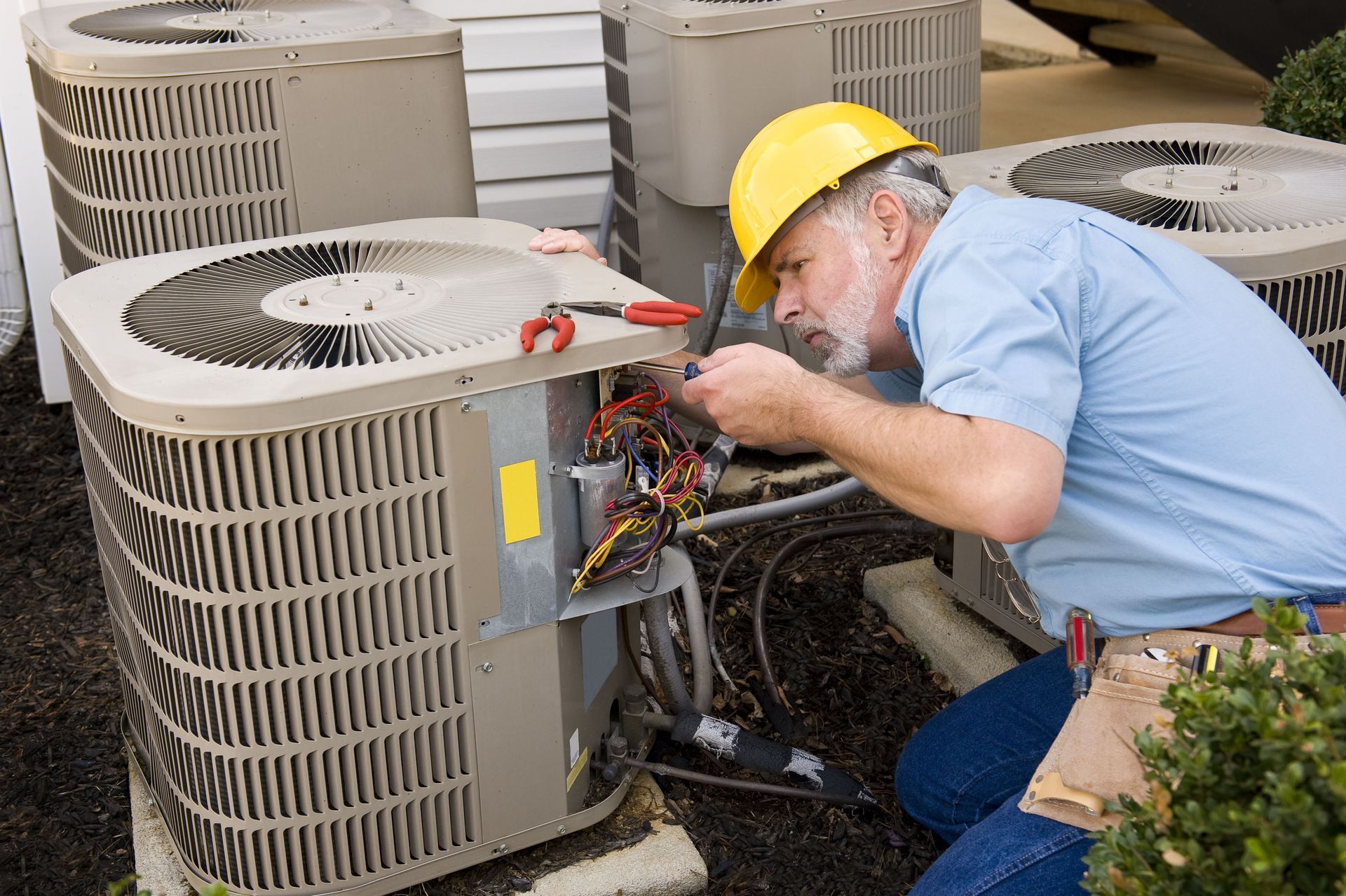
Many people assume that air conditioners only require attention when they completely break down. However, regular maintenance is crucial for preventing major malfunctions. Routine check-ups ensure that the system operates efficiently, reducing the risk of unexpected failures when you need it most. Like any complex system, an air conditioner benefits greatly from being serviced regularly. Not only does this help with performance, but it also extends the system's lifespan.
Identifying Subtle Warning Signs
Many subtle warning signs indicate an air conditioning system may need attention well before it suffers a breakdown. Most people overlook these signs, assuming the system is functioning properly if it still produces cold air. Common warning signs include strange noises, unusual smells, or fluctuating temperatures, all of which could suggest underperformance or impending mechanical failure. Being vigilant about these signs can prevent exacerbating the problem, resulting in more extensive and expensive repairs.
The Costs of Ignoring Small Problems
Ignoring small issues within air conditioning units can result in extensive and costly repairs. Minor problems, if left unaddressed, may evolve into major malfunctions. A small fix often turns into a larger, more expensive operation if neglected over time. The monetary implication of delaying necessary repairs is significant and certainly not worth the potential savings initially garnered.
Frequency of Professional Inspections
The frequency of professional inspections is a topic of debate among homeowners and businesses. Nevertheless, scheduling regular professional inspections, ideally once or twice a year, is an effective way to ensure optimal system health. These inspections help catch potential problems before they turn into significant malfunctions. Having an air conditioning repair professional evaluate the system provides technical insight that the average homeowner or business owner may lack.
The Role of Seasonal Check-Ups
Scheduling seasonal check-ups can dramatically enhance the performance and longevity of air conditioning systems. These assessments, tailored to accommodate the changing demands on the system, can adapt maintenance procedures to suit specific seasonal conditions.
During summer, as systems operate continuously under peak load, regular maintenance can prevent strain-related malfunctions. As seasonal transitions into milder temperatures, systems may require adjustments to handle reduced load efficiently, preserving energy and reducing wear. Furthermore, seasonal check-ups help avoid challenges related to environmental debris accumulation, foliage, and varying temperature conditions, which may impact unit performance.
Misconception 2: Bigger AC Units Are Always Better
The Concept of Proper Sizing
Many people mistakenly believe that a larger air conditioning unit will provide superior cooling. However, the size of the unit must match the space's specific cooling demands to achieve optimal efficiency. Oversized units can create as many, if not more, problems than undersized units. It is crucial to understand that simply opting for the largest unit possible is not a guarantee of better temperature regulation.
The Consequences of Oversized Units
Overestimating the required unit size leads to several undesirable effects on an air conditioning system's operation. These effects include diminished cycling efficiency, increased energy consumption, and suboptimal humidity control. As an oversized unit cools an area too quickly, the system cycles off before effectively removing moisture from the air. This can foster an uncomfortable indoor climate that feels clammy and damp.
Understanding the Load Calculation Process
Achieving the ideal air conditioning unit size for a given space relies heavily on an effective load calculation process. This process assesses a property's cooling requirements, leveraging various data points to ensure the system aligns with space demands. Key factors contributing to load calculation include square footage, ceiling height, location, and insulation levels, among others.
Professional HVAC technicians conduct load calculations to recommend the ideal AC system size and configuration. Utilizing the Manual J methodology, a widely accepted industry standard, these calculations are precise and comprehensive. This methodology incorporates heat gain and loss data, accounting for influence from windows, doors, and weather exposure around the structure.
The meticulousness of the load calculation process serves as a safeguard against the pitfalls of under or over-sizing air conditioning units. By investing in accurate calculations, homeowners and businesses can secure systems that deliver reliable, consistent cooling. This maximizes the unit's operational lifespan and energy efficiency, aligning performance to meet indoor climate control expectations effectively.
Striking the Right Balance Between Efficiency and Comfort
Balancing efficiency and comfort is a pivotal consideration when acquiring an air conditioning system. A well-sized system offers the best of both worlds, alleviating discomfort without compromising energy conservation. Matching the unit's capacity with spatial cooling requirements ensures comprehensive, even temperature regulation, cultivating a comfortable indoor atmosphere.
Striking the correct balance involves more than technology; it requires a strategic approach intertwined with effective energy use practices. Owning an adequately sized, energy-efficient system can substantially lower utility bills by minimizing unnecessary consumption. Properly set thermostats, coupled with regular maintenance and component optimization, contribute to a harmonious balance.
Implementing energy-efficient practices fosters an environment of comfort, facilitating both financial savings and reduced environmental impact. Furthermore, the unit's efficient performance directly translates into a lower ecological footprint, mitigating the adverse effects of resource waste. As environmental consciousness rises, prioritizing an eco-friendly cooling solution proves beneficial for homeowners and businesses alike.
Professional Assessment and Recommendations
Securing a professional assessment from a qualified HVAC technician can greatly enhance decision-making during air conditioning system acquisition or repair. These experts guide owners through electrical, spatial, and mechanical considerations specific to their property's needs. By understanding these requirements, owners can make educated decisions that optimize comfort, cost-effectiveness, and sustainability.
HVAC professionals offer valuable insights on suitable brands, unit sizing, and efficiency features tailored to client preferences. Their consultations extend into maintenance recommendations, warranty adherence, and authorized service providers for seamless service experiences. Incorporating their guidance not only guarantees top performance but also extends the system's effective lifespan.
Leveraging expertise from seasoned professionals helps mitigate potential errors resulting from limited industry knowledge or misinformation. This collaborative approach assures responsible, informed investments in air conditioning systems. Ultimately, consulting HVAC professionals streamlines the process and aids in developing effective strategies for air conditioning system management, impacting both immediate and long-term success.
Misconception 3: Any Technician Can Repair Any Brand
The Importance of Brand-Specific Knowledge
A common fallacy in air conditioning repair is the assumption that any technician can service any brand effectively. However, differing manufacturers incorporate unique specifications, technologies, and methodologies within their systems. These distinctions necessitate specialized brand knowledge for technicians to perform repairs accurately and efficiently.
Understanding proprietary components, programming codes, and maintenance procedures aids technicians in delivering high-quality repair outcomes. Technicians lacking these insights risk incorrect troubleshooting or improper component handling, escalating the potential for expensive errors. Comprehensive brand-specific expertise ensures the thorough identification and resolution of all system issues.
The specialized skills of technicians who master brand-specific nuances directly correlate to repair quality, performance consistency, and operational integrity. Leveraging technicians who thoroughly understand the selected brand leads to well-informed, exhaustive diagnostic processes. This sophistication breaks down complex repair tasks, smoothing operations for both the system and the technician.
Warranties and Certified Technicians
Maintaining warranty compliance is critical when pursuing air conditioning repair. Manufacturers often stipulate the use of certified technicians to maintain these policies. Utilizing unqualified personnel can void warranties, exposing owners to elevated service costs beyond the original warranty provisions.
The Risks of Using Unqualified Repairmen
Hiring unqualified repairmen poses significant risks that can severely impact system performance and reliability. Without the requisite knowledge and expertise, these individuals may inadvertently diagnose problems inaccurately or employ improper repair techniques. This can compound existing issues, leading to preventable complications and costly repairs.
Dispelling these common misconceptions reveals a clear truth: effective air conditioning management requires a proactive, informed approach rather than a reactive one. By prioritizing routine maintenance, ensuring proper unit sizing through precise load calculations, and relying on brand-certified technicians, homeowners can avoid costly missteps that compromise both comfort and efficiency. To learn more, reach out to the air conditioning repair experts at Peter Mechanical LLC today!