September 3, 2026
In this article, we will explore the essential aspects of local air conditioning installation. Whether you're upgrading your current system or installing a new one, understanding the process and considerations involved can ensure a smooth and efficient project. We'll guide you through the key elements to consider, from choosing the right system to understanding the installation process and maintenance requirements. With numerous options available in the market, making an informed decision can significantly impact your home's comfort and energy efficiency. By the end of this article, you'll have a comprehensive understanding of how to manage your air conditioning installation project effectively.
1. Understanding Different Types of Air Conditioning Systems
a. Central Air Conditioning Systems
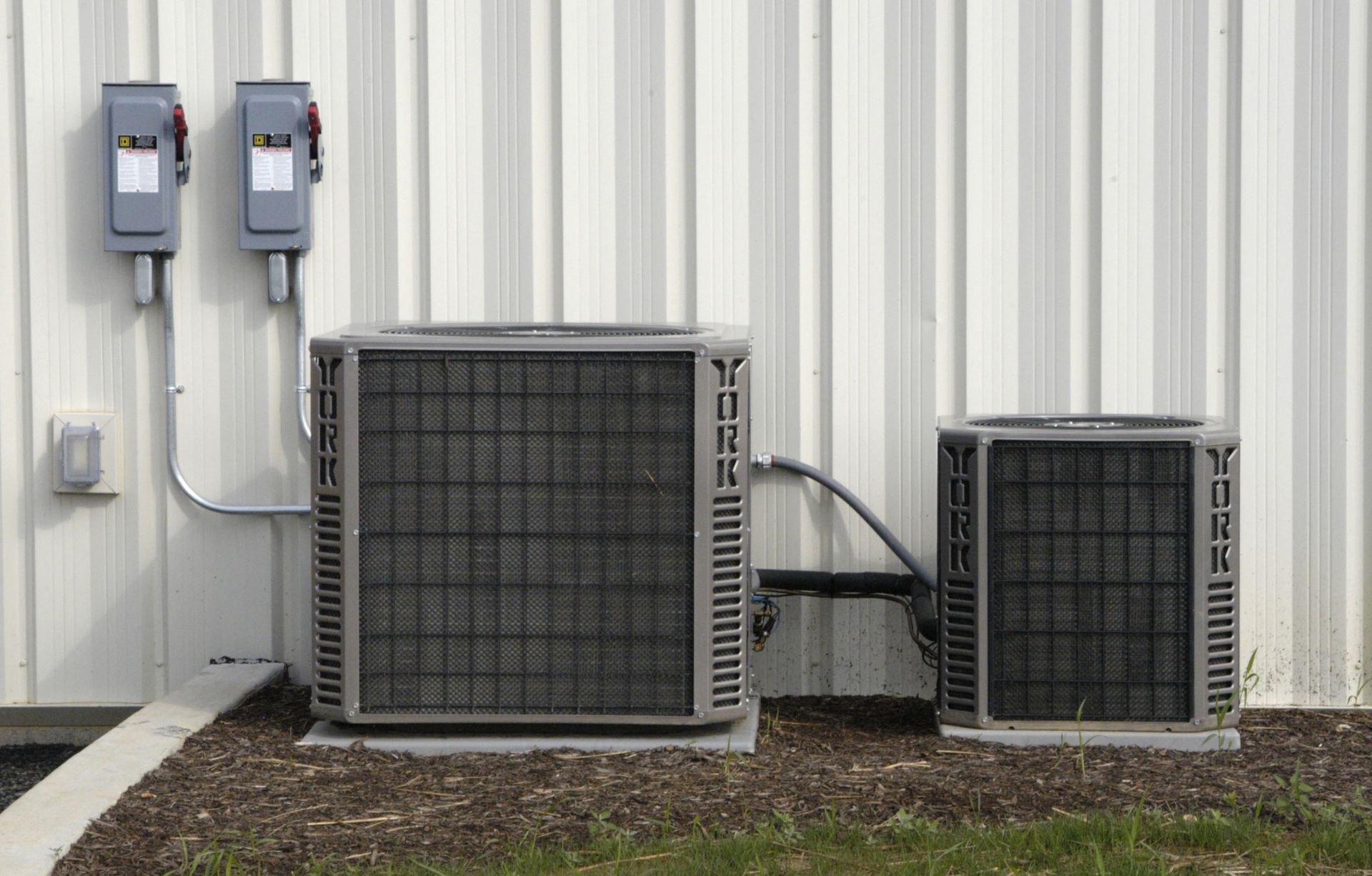
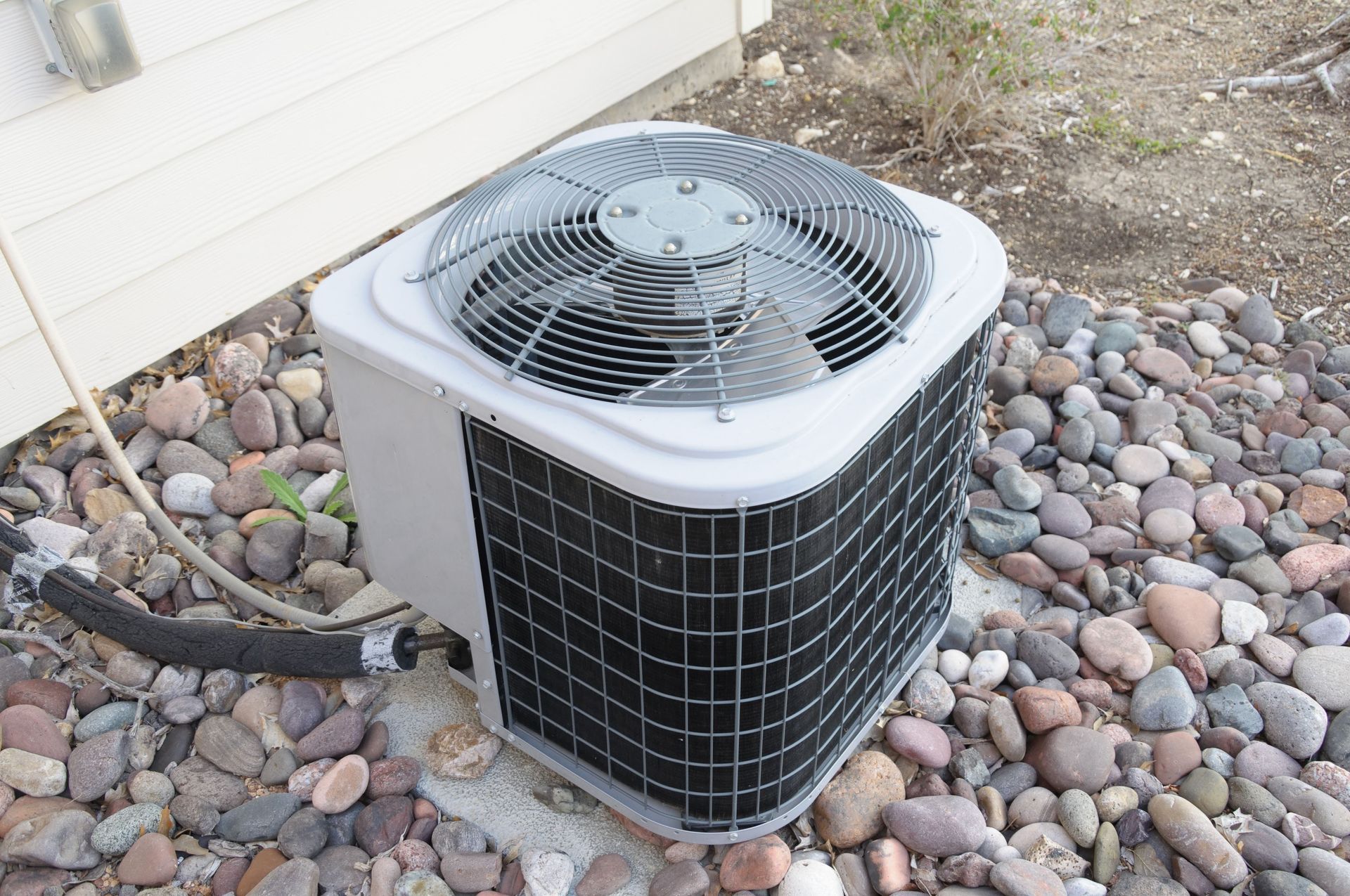
Central air conditioning systems are a popular choice for those looking to cool larger homes efficiently. These systems use a network of ducts to distribute cooled air throughout the house, providing uniform cooling across all rooms. The main components include an outdoor compressor unit and an indoor evaporator coil. While they are highly effective, the installation can be more complicated and costly due to the ductwork. Despite the complexity, these systems are valued for their efficiency and ability to maintain a consistent indoor climate.
b. Ductless Mini-Split Systems
Ductless mini-split systems offer a flexible cooling solution without the need for ducts. Each unit typically consists of an outdoor compressor and one or more indoor air handling units. This setup provides the advantage of zoning, allowing for individualized temperature control in different areas of the home. Installation is generally less invasive and can be completed more quickly compared to central systems. These systems are especially beneficial for homes without existing ductwork or those requiring additional cooling in specific areas.
c. Window Air Conditioners
Window air conditioners are a common choice for cooling individual rooms or small spaces. They are relatively affordable and easy to install, making them a practical option for renters and homeowners alike. These units work by fitting into a window frame and using a fan to blow cool air into the room. Although convenient, they are best suited for smaller areas and may not provide the same level of efficiency as other systems. Additionally, they can block natural light and obstruct window views while installed.
d. Portable Air Conditioners
Portable air conditioners are versatile, mobile units that can be moved from room to room as needed. They are a great option for renters or those who do not want to commit to a permanent installation. These units typically come with an exhaust hose that needs to be vented out of a window or door. While convenient, portable units may not be as energy-efficient as other options and can be louder. Their convenience and ease of use make them a popular choice in scenarios where permanent installation is not feasible.
e. Hybrid Air Conditioners
Hybrid air conditioners combine traditional cooling methods with energy-efficient heat pump technology. These systems switch between using electricity and fossil fuels based on outdoor temperatures to maximize efficiency. During hotter months, they operate like a standard air conditioner, while in cooler months, they can reverse the refrigeration cycle and provide heating. Hybrid systems appeal to eco-conscious homeowners aiming to reduce their carbon footprint. The initial investment may be higher, but long-term savings in energy costs can offset this.
2. Assessing Your Home's Cooling Needs
a. Evaluating Home Size and Layout
Properly assessing your home's size and layout is crucial in determining the most suitable air conditioning system. Larger homes typically require systems capable of dispersing cool air evenly across multiple rooms. Factors such as high ceilings, open floor plans, and the number of stories can influence your cooling needs. It's important to measure the square footage of the area you intend to cool to select a system with the appropriate capacity. Oversizing or undersizing your system can lead to inefficiencies and increased energy costs.
b. Insulation and Energy Efficiency Considerations
Insulation plays a significant role in maintaining energy efficiency and reducing cooling costs. Well-insulated homes retain cooled air more effectively, decreasing the workload on your air conditioning system. Assessing your insulation levels, particularly in the attic and walls, can help identify potential areas for improvement. Implementing energy-efficient practices, such as sealing windows and using energy-efficient windows, can further enhance cooling efficiency. A home energy audit may also provide insights and recommendations for optimizing energy use.
c. Identifying Hot Zones and Unique Requirements
Identifying hot zones or areas that are prone to retaining heat is essential when considering an air conditioning system. Rooms with large windows facing the sun, kitchens, and attics can often experience higher temperatures. Considering these unique requirements allows you to plan for targeted cooling solutions, such as additional ducts, fans, or mini-split systems. Understanding these hot zones will guide you in choosing a system that meets the specific needs of your home. This approach ensures balanced cooling and reduces unnecessary energy expenditure.
d. Estimating Cooling Capacity Needed
Estimating the cooling capacity required for your home is a fundamental step in system selection. Air conditioning units are rated by British Thermal Units (BTU), indicating the system's cooling power. Generally, larger spaces require systems with higher BTU ratings. Calculating BTU requirements involves factors such as room size, home orientation, and climate. Consulting with an HVAC professional can help ensure accurate BTU assessment and prevent overspending on an overpowered unit.
3. Selecting the Right Size and Model
a. Understanding BTU Ratings
BTU ratings are crucial in determining an air conditioning system's cooling capacity. This measurement indicates the amount of energy required to raise or lower the temperature of one pound of water by one degree Fahrenheit. A higher BTU rating signifies more cooling power, necessary for larger spaces or areas with higher heat loads. Choosing the right BTU rating prevents the system from working inefficiently, either by working too hard or by frequently cycling on and off. Accurate BTU calculations are key to maximizing comfort and energy efficiency.
b. The Importance of Proper Sizing
Proper sizing of your air conditioning unit is essential to optimize performance and efficiency. An oversized unit may cool the area quickly but will frequently cycle on and off, leading to increased wear and energy usage. Conversely, an undersized unit will struggle to maintain desired temperatures, running continuously and raising energy costs. The right size balances the needs of the space, ensuring consistent cooling without excessive energy consumption. Consulting with an HVAC expert helps ensure that your equipment is neither too large nor too small for your space.
c. Comparing Different Models and Features
When selecting an air conditioning system, comparing different models and their features can help tailor your choice to your needs. Consider features like variable speed settings, smart thermostats, and programmable controls for enhanced usability and efficiency. Noise levels may also be an important factor for homeowners seeking quiet operation. Models with advanced filtration systems can improve indoor air quality, benefiting those with allergies or respiratory conditions. Weighing these features against costs and preferences will guide you to the most suitable model.
Proper air conditioning installation involves a detailed understanding of different systems, careful planning, and consideration of your specific needs. By following this comprehensive guide, you'll be well-equipped to choose, install, and maintain an efficient air conditioning system that provides comfort and saves energy. As always, consulting with experienced professionals can further ensure the success of your installation and long-term performance. Whether you are installing a new system or upgrading an existing one, every phase from selection to maintenance is crucial. With informed choices and proactive maintenance, you can enjoy a comfortable, efficient living environment for years to come. According to This Old House, HVAC systems typically last between 15 to 20 years with proper maintenance. Be sure to reach out to Peter Mechanical today to learn more about our professional local air conditioning installation!