September 2, 2026
In the modern era, maintaining an efficient air conditioning system is paramount to ensuring comfort and energy efficiency in both residential and commercial settings. The failure to perform necessary repairs can lead to a range of issues, from increased utility bills to complete system breakdowns. Moreover, neglecting maintenance can result in poor indoor air quality, potentially impacting the health of occupants. Understanding when timely air conditioning repair is necessary not only safeguards comfort but also extends the lifespan of the system. Early detection and prompt intervention can prevent minor issues from developing into costly, major overhauls.
Understanding the Basics of Air Conditioning Systems
History and Evolution
The concept of air conditioning dates back to ancient times, when systems were devised to cool and condition air, albeit in rudimentary forms. The modern air conditioning systems we are familiar with began to take shape in the early 20th century, primarily with the invention of the first electrical air conditioning unit by Willis Carrier. Over the decades, advancements in technology have significantly enhanced the efficiency, capacity, and user-friendliness of these systems. Today, air conditioning systems incorporate sophisticated designs and eco-friendly technologies, making them indispensable components of modern living. The evolution continues as ongoing research aims to further improve energy efficiency and environmental sustainability.
Components of a Modern System
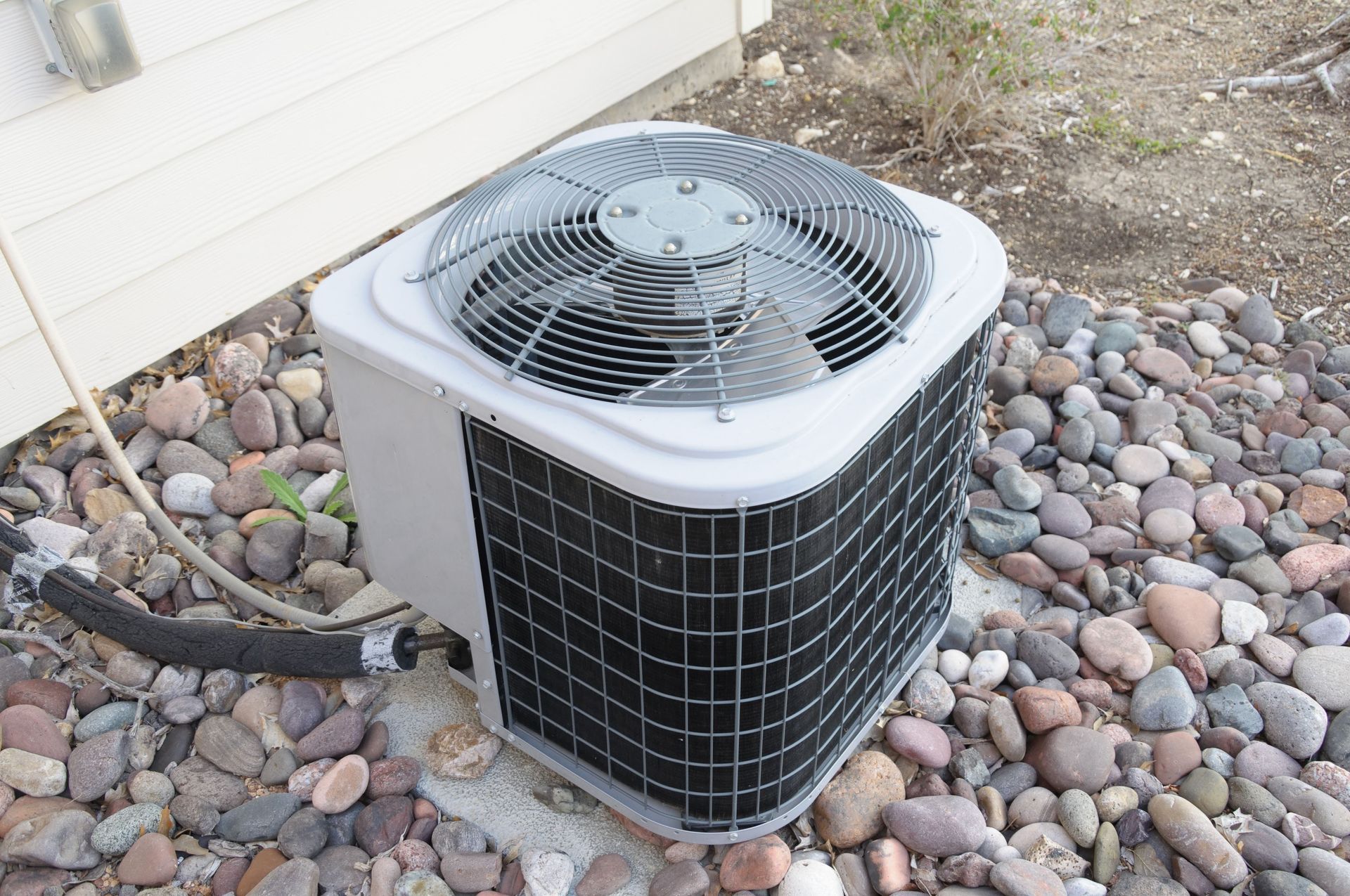
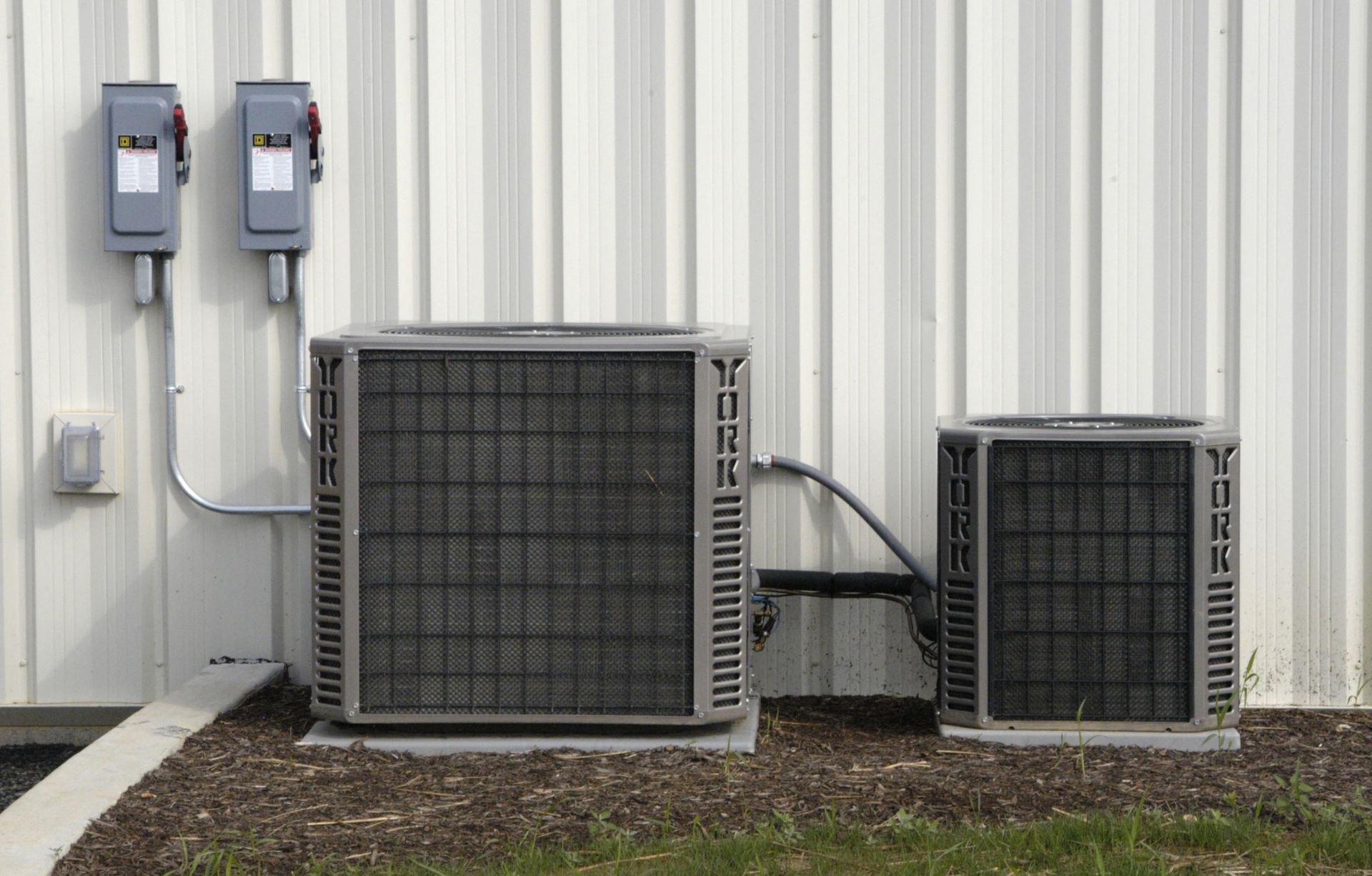
Modern air conditioning systems are composed of several key components that work in harmony to maintain desired indoor climates. These include the compressor, which circulates refrigerant through the system, the evaporator coil that absorbs heat from indoor air, and the condenser coil which expels this heat outside. Additionally, the expansion valve regulates refrigerant flow into the evaporator, while the air filter ensures indoor air quality by trapping dust and pollutants. Thermostats also play an integral role by allowing users to set and maintain temperature preferences. Each component is essential for the effective and efficient operation of the entire system, minimizing the need for frequent air conditioning repair.
Functionality and Operation
The primary function of air conditioning systems is to cool indoor environments by removing heat from the air and expelling it outside. The operation begins with the evaporation of refrigerant in the evaporator coil, which absorbs indoor heat. This air is then circulated over a condenser coil where the refrigerant releases the absorbed heat to the outdoors. Fans and ducts play a crucial role in distributing the conditioned air throughout the space, ensuring an even and comfortable temperature. Dehumidification is an additional benefit of air conditioning, improving air quality by reducing humidity levels within the environment.
Recognizing Signs Your Air Conditioner Needs Repair
Unusual Noises
Unusual sounds emanating from an air conditioning unit often signal a need for attention and professional air conditioning repair. Common noises to be wary of include squealing, indicating a possible problem with the motor fan belt, and grinding sounds, which may suggest an issue with the compressor or motor bearings. Rattling noises might occur due to loose components, which, if left unaddressed, could lead to further damage. Regularly inspecting and addressing these auditory signs early can prevent the escalation of minor issues into larger, more expensive repairs. Ignoring these sounds might compromise the system’s efficiency and lifespan over time.
Inadequate Cooling
When an air conditioning system fails to provide adequate cooling, it is a clear sign that air conditioning repair may be necessary. This can manifest as uneven temperature distribution within the home or commercial space, or cooling that falls short during hot weather conditions. Potential causes for insufficient cooling include blocked vents, malfunctioning thermostats, or low refrigerant levels. Regular maintenance, including filter cleaning and refrigerant checks, can help ensure the system performs optimally. Addressing inadequate cooling promptly helps maintain comfort levels and prevents further strain on the system.
Increased Energy Bills
A sudden spike in energy bills could be linked to hidden mechanical issues within the unit requiring expert air conditioning repair. Problems such as clogged filters, malfunctioning thermostats, or aging components can cause the system to work harder and longer to maintain desired temperatures, driving up energy consumption. Keeping an eye on utility bills and comparing them with past usage can alert homeowners to inefficiencies that need addressing. Routine maintenance and timely repairs can greatly improve energy efficiency by ensuring the system operates under optimal conditions. Investing in regular check-ups can lead to long-term cost savings and reduce undue wear on the system.
Strange Smells
Strange odors emanating from an air conditioning system are another indicator that professional air conditioning repair might be necessary. A burning smell could signify an electrical problem, while moldy smells often suggest that moisture is present within the system. These odors not only disrupt indoor comfort but may also pose health risks if left unaddressed. Regular cleaning and maintenance, including checking for leaks and ensuring proper drainage, can help prevent odors from developing. Prompt identification and response to unusual smells can prevent more serious problems and maintain air quality.
Water Leaks and Moisture Issues
Water leakage in air conditioning systems can lead to significant issues if not addressed quickly. Leaks usually occur when drainage systems are blocked or condensate pans overflow, potentially causing water damage to surrounding areas. Moisture around the unit might also indicate refrigerant leaks, which are critical to the cooling process. Regular inspection and maintenance can help identify and resolve drainage or leak issues before they become major problems. It's essential to ensure that units are properly sealed and ventilated to prevent moisture buildup that can compromise system performance and indoor air quality.
Assessing Damage and Repair Needs
Conducting a Visual Inspection
A thorough visual inspection is the first step in assessing potential damage or structural issues before calling for air conditioning repair. Inspect components such as the ductwork for leaks, the exterior unit for debris, and the coolant lines for damage. Catching issues like rust, corrosion, or accumulated dirt early can prevent more significant problems and repair costs down the line. An annual review, ideally at the start of the cooling season, helps ensure the system is in top shape. Owners should familiarize themselves with these visible signs to maintain effective oversight of their system's condition.
Examining Electrical Connections
Ensuring the integrity of electrical connections is vital for the safe and effective operation of air conditioning systems. Faulty or loose electrical connections can result in power inefficiency, system breakdowns, or even fire hazards. Regular checks of the unit's wiring, connection points, and circuit breakers are recommended to prevent electrical malfunctions. Engaging qualified technicians to conduct electrical assessments and repairs ensures compliance with safety standards. A proactive approach to electrical maintenance not only safeguards the system but also conserves energy by minimizing wastage.
Reviewing Thermostat Functionality
Checking the functionality of the thermostat is essential to guarantee the air conditioning system meets temperature expectations consistently. Malfunctioning thermostats can lead to inaccurate temperature readings, causing unnecessary energy usage and discomfort. Regular calibration and testing of thermostats can enhance the performance and energy efficiency of the system. For advanced settings, upgrading to a programmable or smart thermostat can provide better control over heating and cooling schedules. Ensuring precise thermostat operation ultimately contributes to the optimal functioning of the entire system.
Engaging a Professional Assessment
While homeowners can perform initial inspections, engaging a professional to assess damage and handle complex air conditioning repair is often the most reliable course of action. Expertise in diagnosing issues within complex systems ensures that all potential problems are identified and addressed effectively. According to IndustryResearch, nearly 54% of HVAC repair service calls are related to air conditioning systems, highlighting the demand for expert assistance. Professional evaluations provide peace of mind, knowing that the system operates safely and efficiently. Investing in professional services can prevent unnecessary repairs, extend the life of the unit, and secure energy savings over time.
Through understanding the constituents and operation of air conditioning systems, as well as recognizing signs indicative of malfunction, informed decisions on repair and maintenance can be made. Ultimately, ensuring regular inspection, engaging professional assessment when needed, and making cost-effective choices balances system longevity with financial responsibility. Proactively addressing issues affirms the value and effectiveness of air conditioning systems, supporting a sustainable and comfortable living environment. Call Peter Mechanical LLC today.